When to Hire Demolition Services in Maryland
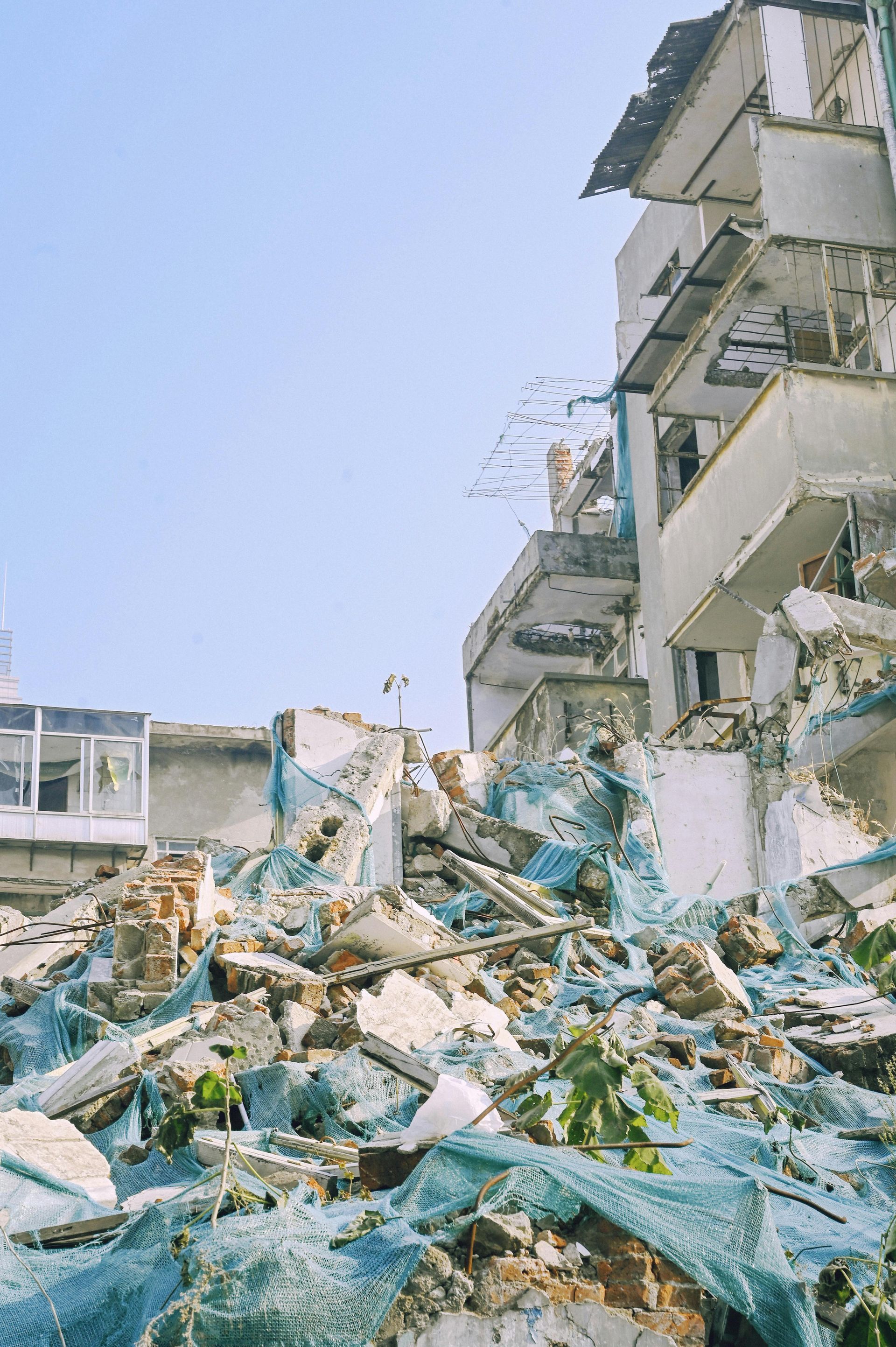
You should hire demolition services in Maryland when a building has severe structural damage, complete foundation failure, extensive fire or water damage, or deep environmental hazards that cost more to fix than the property is worth. If repair costs exceed 50% of the home's total value, complete demolition is the smartest financial choice.
Deciding whether to repair an old property or flatten it completely is a massive choice. Many property owners waste thousands of dollars trying to patch up a building that is simply too far gone. In many cases, continuing to fix an unsafe structure becomes a never-ending money pit.
This guide will walk you through the clear structural, financial, and legal residential demolition signals so you know exactly when to tear down a house or commercial building safely.
4 Critical Signs Your Structure is a Safety Hazard
If you notice any of these four major problems, the building is likely a safety hazard Home and needs the help of a professional demolition contractor, MD.
1. Severe Foundation Failure and Shifting
The foundation holds up the entire weight of your building. If the concrete or block foundation cracks deeply, bows inward, or drops significantly on one side, the building becomes highly unstable. Signs of foundation failure include:
- Huge, stair-step cracks in exterior brickwork.
- Interior doors that no longer fit into their frames.
- Floors that slope or sag visibly toward one side.
When the foundation shifts too much, a standard repair is no longer safe or affordable. A complete structural demolition is often the only way to keep the surrounding land safe.
2. Major Fire, Storm, or Water Damage
A house fire or a major Maryland storm can destroy the core strength of a building. High heat chars and weakens support beams. Heavy water exposure causes structural wood to warp and lose its strength. Even if a house looks okay from the street after a fire, the hidden structural frames are often completely ruined and ready to collapse.
3. Dangerous Environmental Contamination
Older homes in Maryland often hide serious health hazards. Toxic black mold can spread deep inside drywall, flooring, and ceiling spaces after long-term water leaks. If a home is completely overrun by black mold, or contains large amounts of old asbestos insulation and lead, stripping the house down piece by piece can cost more than knocking it down and starting completely fresh.
4. Termite and Wood Rot Destruction
Termites work silently behind walls. Over years of neglect, these pests can eat away the main wooden studs that hold up your roof and floors. Combined with wood rot from local humidity and roof leaks, the wood can turn into a soft, powdery mess. If the core framing is destroyed, the home is a prime candidate for a professional teardown.
The Financial Rule: Repair vs. Structural Demolition
How do you choose between a deep remodel and a total teardown? Professional investors and smart homeowners use a simple guide known as the 50% Rule.
If (Estimated Cost of Repairs) > (50% of the Property's Total Intact Value)
Then -> Demolition is usually the most profitable and safest decision.
For example, if a house will be worth $200,000 once it is fully fixed, but the structural repairs, mold removal, and utility fixes cost $120,000, you are overspending. Tearing the house down costs much less upfront. It leaves you with a clean, empty lot ready for an efficient, modern build.
When Demolition Is Better Than Remodeling
Many homeowners initially assume remodeling is always cheaper than demolition.
However, if the property requires major structural repairs, complete electrical replacement, plumbing upgrades, roof replacement, and foundation stabilization, demolition may actually reduce long-term costs.
Investors purchasing distressed properties often choose demolition because rebuilding provides modern layouts, better energy efficiency, and higher resale values.
Legal Signals: Maryland Code Violations and Condemned Properties
Sometimes, the local Maryland county or city government makes the decision for you. Local code enforcement offices routinely check on abandoned or heavily damaged buildings to ensure public safety.
If a building sits empty and neglected for too long, the city may mark it as an unsafe structure. If you ignore these notices, the property can be officially condemned. When a house is condemned, you face strict legal timelines. You must either bring the building up to modern building codes immediately or hire a team for complete removal. Ignoring these government orders can lead to massive daily fines and forced court actions.
Real-World Scenario: Saving a Property Owner from Endless Fines
AtJT’s Junk & Trash Removal, we work closely with property owners dealing with severe building headaches. We recently assisted a client in Southern Maryland who inherited a heavily neglected house. The structure suffered from severe wood rot, a collapsing roof, and years of illegal dumping on the lot.
The local county code enforcement office was preparing to issue heavy fines. The owner originally wanted to fix the roof, but our assessment showed the structural support walls were completely rotted through. Fixing it was impossible.
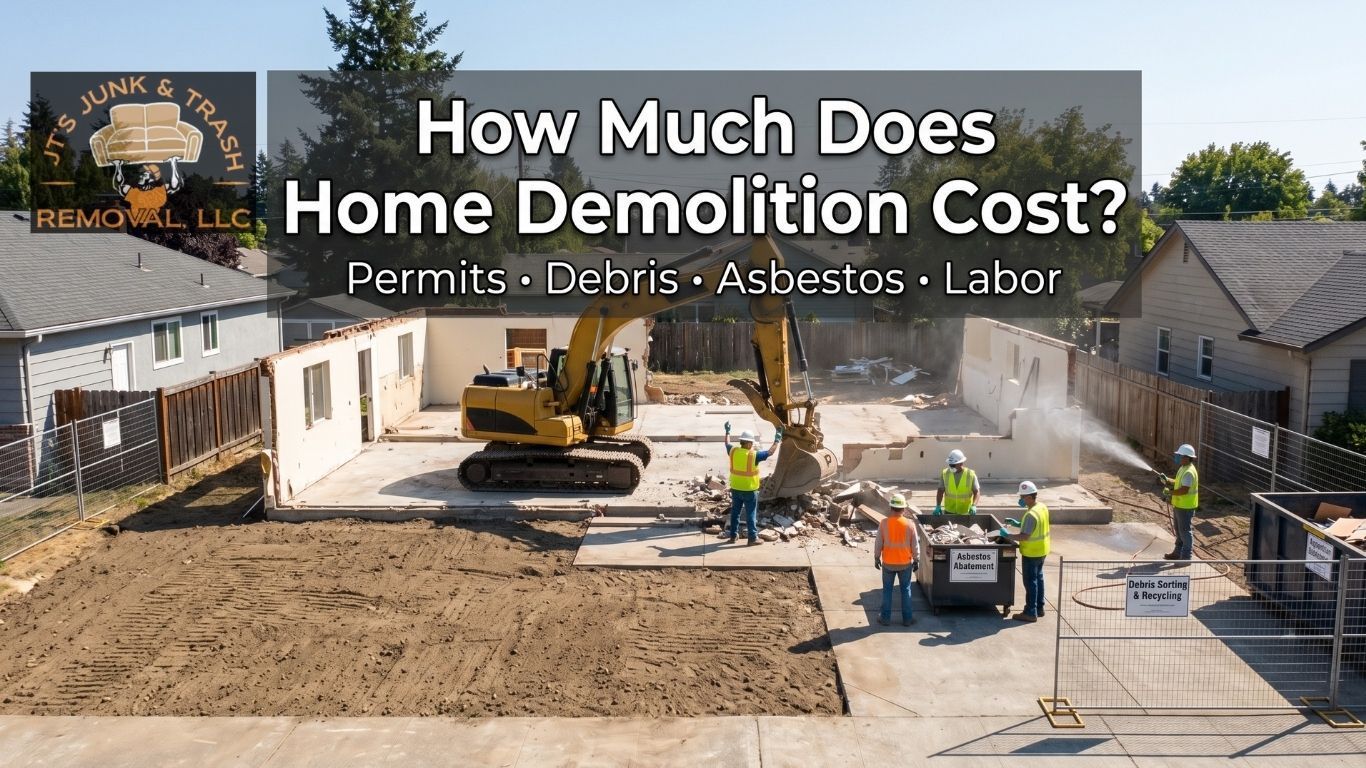
We stepped in to help. Our team provided fast Demolition Service in Maryland, flattening the unsafe structure safely and efficiently. We followed up with our thorough Residential Junk Removal process to clear all the old debris, metal, and garbage away.
Preparing Land for New Construction
One of the most common reasons for hiring demolition services is to prepare a property for new construction. Before builders can begin work, old homes, garages, sheds, concrete slabs, and debris must be removed.
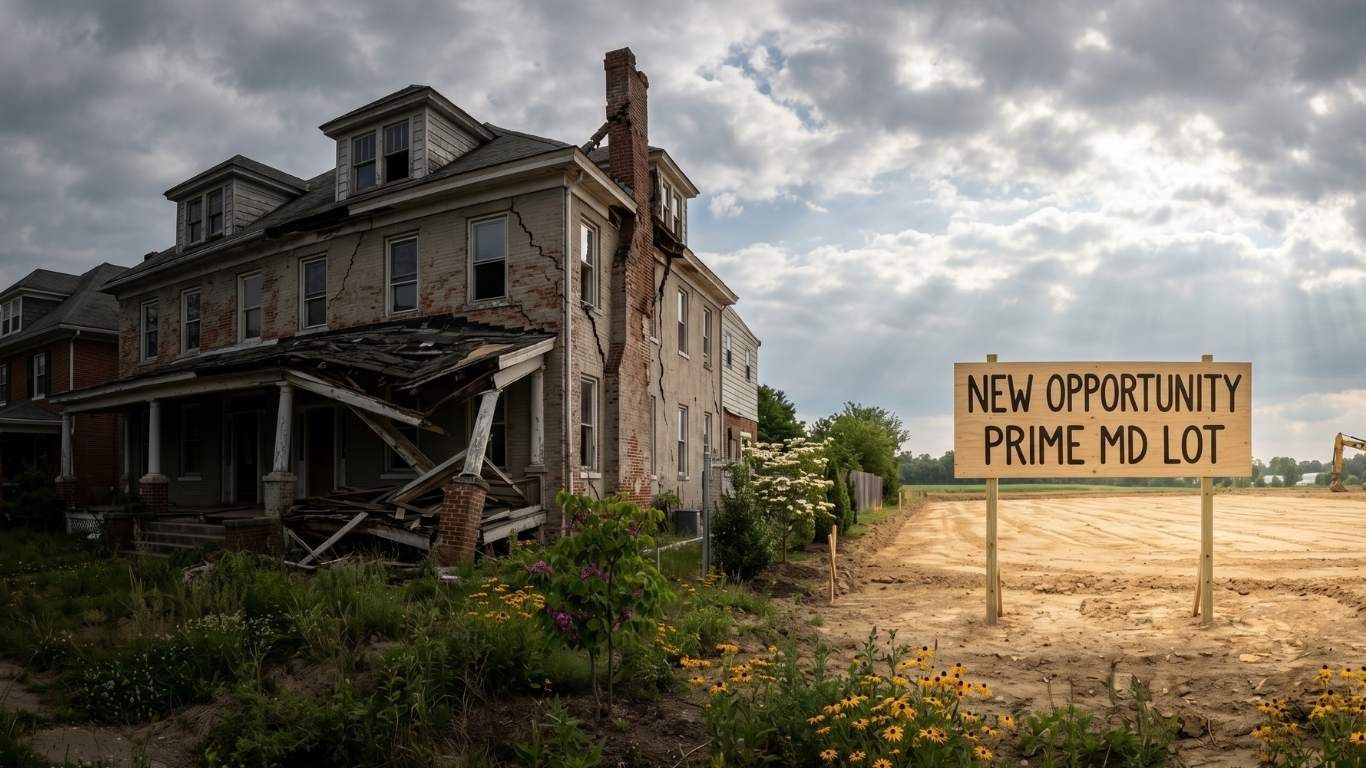
Professional demolition contractors also handle:
- Utility disconnections
- Site clearing
- Debris hauling
- Recycling materials when possible
- Preparing the lot for excavation
This creates a clean construction-ready site.
Removing Old Garages, Sheds, and Additions
Not every demolition project involves an entire house. Many Maryland homeowners hire demolition companies to remove:
- Detached garages
- Old sheds
- Decks
- Swimming pools
- Concrete patios
- Additions that no longer meet code
Removing these structures improves property appearance and creates additional usable space.
Interior Demolition Before Renovations
Interior demolition removes selected portions of a building while leaving the main structure intact.
This service is common before:
- Kitchen remodels
- Bathroom renovations
- Basement finishing
- Office remodeling
- Commercial tenant improvements
Professional crews remove walls, flooring, cabinets, drywall, and fixtures while protecting structural components.
Demolition for Commercial Properties
Commercial demolition projects are more complex than residential jobs. Businesses often require demolition services for:
- Retail renovations
- Warehouse redevelopment
- Office building remodeling
- Restaurant renovations
- Industrial site preparation
Professional contractors coordinate equipment, permits, debris disposal, and safety procedures to minimize project delays.
Conclusion
Knowing when to hire demolition services in Maryland can save thousands of dollars and eliminate future safety concerns. Whether you're removing a fire-damaged house, clearing land for new construction, demolishing an unsafe garage, or preparing for a renovation, professional demolition services provide a safe and efficient solution.
The best time to hire a Demolition contractor is before structural problems become larger liabilities, allowing you to move forward with your next project confidently.
FAQ of Hire Demolition Services
How do you know if a house should be torn down?
A house should be torn down if it has severe, unfixable foundation cracks, widespread structural wood rot, deep environmental hazards, or if the total cost of necessary repairs is higher than half the home's value after fixing it. Check this to to know more about Demolition Cost.
What makes a building structurally unsound in Maryland?
A building is considered structurally unsound when its main weight-bearing supports—such as the foundation, load-bearing walls, or roof rafters—are cracked, sagging, or shifting away from their original positions, making a collapse possible.
Is it better to fix up a house or tear it down?
It is better to tear it down if the structural bones of the building are compromised. Fixing cosmetic issues is simple, but fixing major structural failures often costs more than building a brand-new structure from scratch.
What happens when Maryland code enforcement condemns a house?
When a house is condemned, it is legally declared unfit for humans to live in. The property owner is ordered to either repair the safety hazards to meet modern codes or demolish the structure within a strict timeframe.
How much structural damage is too much to repair?
When damage affects the main foundation or causes the entire roofline to bow and sag, it is generally too much to safely or affordably repair, meaning complete demolition is the best option.